
What CNG and Hydrogen Actually Are
If you drive an ordinary gasoline car, you cannot just pull into a CNG or hydrogen station and fill up. Both fuels need a vehicle built for them, and both networks are far smaller and more clustered than the regular gas station network.
Compressed natural gas, or CNG, is natural gas squeezed to high pressure and stored in a strong tank on the vehicle. It is sold by the gasoline gallon equivalent, a way to compare its energy to a gallon of gasoline. Hydrogen for cars is also a compressed gas, at much higher pressure, and it powers a fuel cell that makes electricity to drive the car. A hydrogen fill takes only a few minutes when the station works. The problem is finding a working station.
Neither fuel replaces gasoline directly. A gasoline car cannot take CNG, and a CNG vehicle cannot take hydrogen. You need the right vehicle, tank, and nozzle.
Who Actually Drives Them
CNG in the United States is mainly a fleet fuel. The vehicles you will see most are transit buses, school buses, refuse trucks, delivery trucks, and vans that return to the same yard. Fleets like it because they can fuel in one place and plan routes around known stations.
The passenger car side is thin. The Honda Civic Natural Gas was long the best known CNG car example, and current CNG sales are fleet led. Hydrogen passenger cars are a smaller group again, mainly the Toyota Mirai and Hyundai Nexo, plus the lease only Honda CR-V e:FCEV. California accounts for most registered fuel cell vehicles, which explains the station map.
Where Stations Cluster
CNG stations cluster in a handful of states and around fleet yards, freight corridors, and large metro areas. The Transport Project reported 1,385 CNG stations in the United States heading into 2026, with about 53 percent publicly accessible. A separate October 2026 directory count put public CNG stations at 674. The gap is a counting difference: one figure counts all stations, the other only public ones. For a driver, the public figure matters, roughly 670 to 730 nationwide.
| Fuel | Approximate public stations | Where they cluster |
|---|---|---|
| CNG | Roughly 670 to 730, out of about 1,385 total including private sites | California first, then Oklahoma, Texas, Pennsylvania, and Florida |
| Hydrogen for cars | 38 open public stations as of September 2026 | 37 in California and 1 in Honolulu |
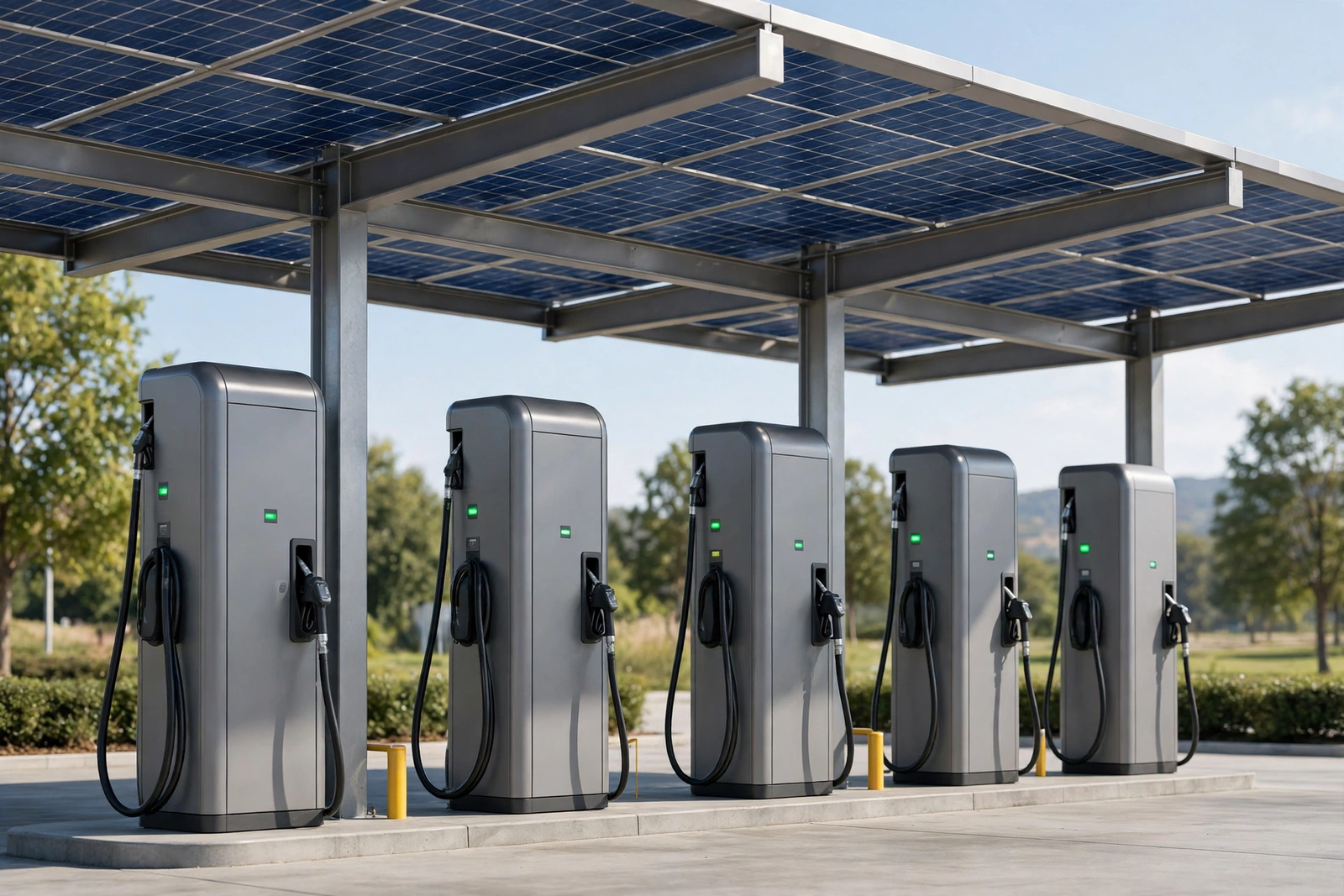
California leads CNG by a wide margin, with 318 stations in the Transport Project report, followed by Oklahoma with 99 and Texas with 95. Many other states have only a few public CNG sites. Hydrogen is far more limited. As of September 20, 2026, US Department of Energy data listed 38 open public stations that can fuel a car, with 37 in California and 1 in Honolulu, plus 14 temporarily unavailable and 14 planned. In plain terms, hydrogen for passenger cars is essentially California limited.
Honest Limits on Availability
An open station is not the same as a station with fuel ready right now. Hydrogen drivers in California are warned to check a live status map before leaving, because supply interruptions have taken stations offline and a station can be listed as open while it is limited or out of fuel. CNG has a different limit: many sites are private fleet yards or depots that do not sell to the public at all.
Access and vehicle fit matter too. Some CNG stations are built for heavy trucks, some for smaller vehicles, and some use time fill systems that connect a parked vehicle to a compressor for hours overnight. Public stations are mostly quick fill, more like a gasoline pump, but still check hours, access, payment, and vehicle size before you rely on one. Plan every stop in advance, and do not assume the next town will have CNG or hydrogen just because it has gasoline and diesel.
Prices are another reason to check before you go. CNG is often cheaper than gasoline on an energy basis, but the saving depends on the state and the station. Hydrogen prices reported in California in 2026 have generally been around 30 dollars per kilogram, with variation by station. Treat any single price quote as a snapshot, not a promise.
How to Check Before You Go
Use the US Department of Energy Alternative Fueling Station Locator for the official station list, then confirm the exact station before you leave. For hydrogen in California, check the California Hydrogen Fuel Cell Partnership live status map as well. If a trip depends on one station, call ahead and check whether it is public or fleet only. If you are shopping for a vehicle, work backward from the map and check stations near home, work, and your regular routes.
FAQ
Can I put CNG in my gasoline car?
No. CNG needs a dedicated high pressure tank, regulator, and fuel system. Only a factory natural gas vehicle or a certified conversion can use a CNG station.
Can I put hydrogen in any car?
No. Hydrogen cars use a fuel cell system and a sealed high pressure nozzle, usually the H70 nozzle for passenger cars.
Are there hydrogen stations outside California?
For passenger cars, effectively no. As of September 2026, the only open public car station outside California in the national data was in Honolulu.
Is CNG available in every state?
Not in a useful public sense everywhere. Public access is concentrated in a few states, and many sites are private fleet yards.
Should I buy a CNG or hydrogen car for road trips?
Only if your regular routes are covered by reliable public stations, checked live, not just counted.
Facts verified October 2026. Station counts change as sites open, close, or go temporarily offline, so confirm live status before any trip that depends on one station.