
When you pay at the pump, the station does not know how much fuel you will buy, so it places a temporary hold on your card first. That hold can be 75 dollars, 100 dollars, 150 dollars, or up to 175 dollars, even if you only pump 30 dollars of gas. The hold is not a charge, but it does reduce the money you can spend until it clears.
Seeing a large pending amount after a small fill up is alarming, especially on a debit card where the hold locks real money in your checking account. This guide explains why the hold exists, how large it can be, how long clearing usually takes, and how to avoid it next time.
Why the pump holds more than you pumped
At a normal store, you know the price before you pay, so the card is charged for the exact amount. At a fuel pump, the order is reversed. You insert your card before you pump, and the station has no way to know whether you will buy 5 dollars or a full tank. To make sure the payment will cover the fill, the pump asks your bank to hold a set amount up front.
Once you finish pumping, the station sends the final amount to your bank, and the hold should drop and be replaced by the real charge. While it is pending, your available balance looks lower, even though you have not been charged the full hold. The station sets the hold, not your bank, and does not keep the extra money. If you pumped 40 dollars against a 100 dollar hold, the other 60 dollars is simply unavailable until the hold clears.
How large can the hold be
Hold sizes vary by station, card type, and payment method, so published figures form a range rather than a single number. A credit union help page explains that gas stations preauthorize amounts from 1 dollar to 100 dollars, and that most merchants using PIN debit add 50 to 85 dollars. Other current coverage reports common pump holds of 75 to 150 dollars, with some stations using 100 dollars as a standard figure.
Visa and Mastercard allow stations to hold up to 175 dollars per pay at the pump transaction, a ceiling raised from 125 dollars as fuel prices climbed. That 175 dollar figure is a maximum, not a typical hold at every station. A suburban station serving mostly small cars may set its pumps at 100 dollars, while a truck stop may use the full 175 dollars.
| Payment method | Typical hold | Why it differs |
|---|---|---|
| Credit card, signature | 1 dollar check, then up to 175 dollars at some stations | Station sets it, network sets the ceiling |
| Debit run as credit, no PIN | Often 75 to 175 dollars | Slower signature settlement path |
| Debit with PIN | Often 50 to 85 dollars | Merchant sets it, Visa allows up to 100 dollars on this path |
| Pay inside, set amount | Exact amount you ask for | Cashier charges a known amount |
Stations choose their own amount within the ceiling, so two stations on the same road can hold different amounts. Many post a sign at the pump stating their practice. With a prepaid or gift card, a hold higher than the card balance can cause a decline, even for 15 dollars of fuel.
How long does a hold take to clear
Clearing time depends more on how you paid and when you paid than on the station. The station usually sends the final amount quickly, but your bank still has to process it and update your available balance. That is why the same hold can vanish in hours for one driver and linger for days for another.
| Payment method | Typical clearing time |
|---|---|
| PIN debit | Minutes to a few hours, once the final amount posts |
| Credit card | A few hours to 2 business days |
| Debit run as credit, no PIN | 48 to 72 hours, up to 3 business days under Visa rules cited by banks |
| Friday or holiday weekend fill | Can stretch to 3 to 5 days until the next business day batch runs |
Visa rules cited by a credit union help page require signature holds at fuel pumps to be released within 3 business days, and allow merchants up to 2 hours to send the final amount for a PIN debit transaction. Other coverage describes the delay as sitting between the network and the bank. Either way, the hold clears when the final charge posts and your bank updates your available balance. A hold still pending after 5 business days is worth a call to your bank.
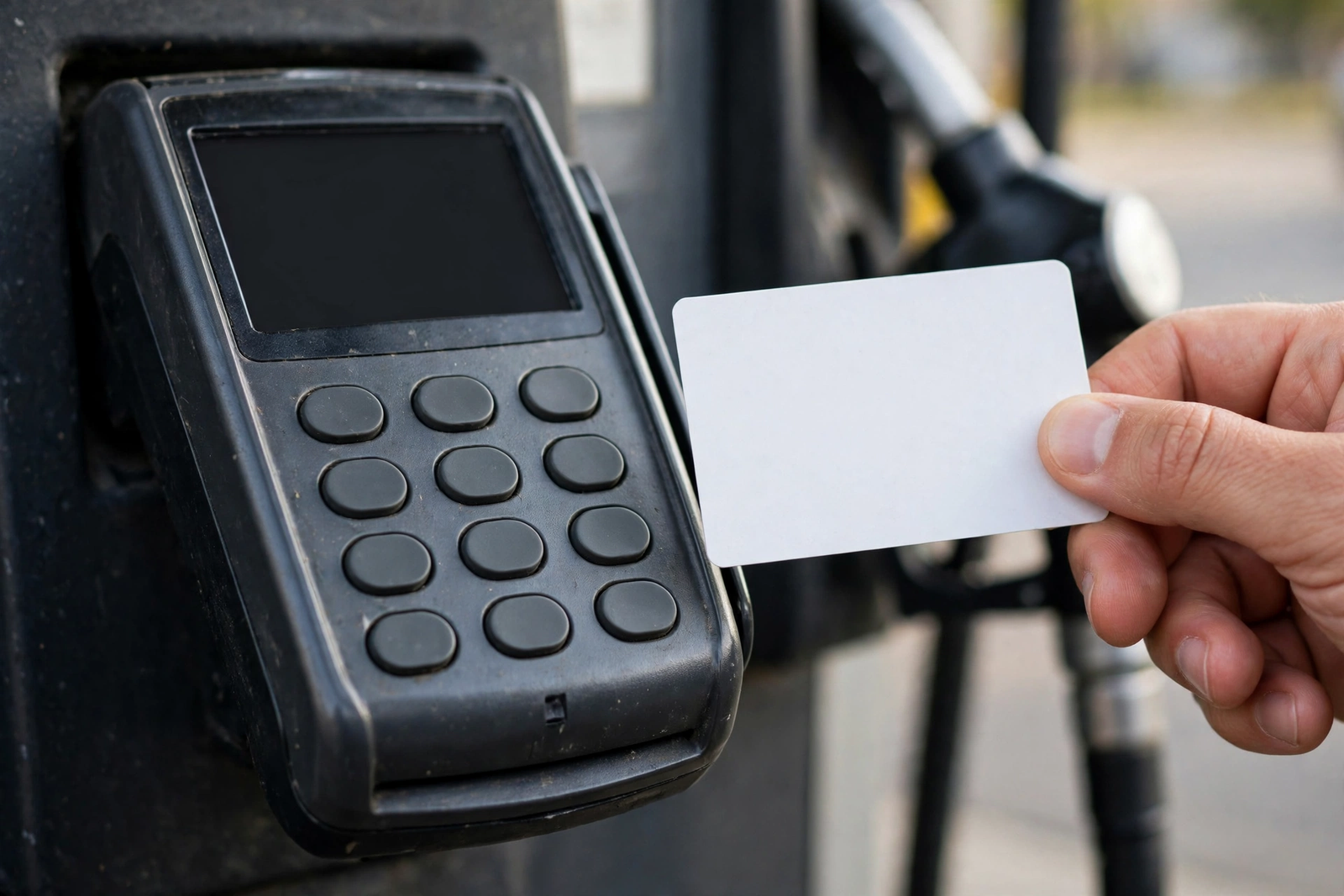
Debit versus credit: why the same hold feels different
On a credit card, a hold reduces your available credit, but it does not touch cash in your checking account. On a debit card, the same hold reduces your available checking balance. That can cause a later payment to decline or trigger an overdraft fee, even though your total balance still looks positive, because banks judge payments against available balance, not total balance.
That is why many guides recommend a credit card at the pump if you have one, especially when checking funds are tight. If you must use debit, entering your PIN usually clears fastest.
How to avoid or reduce the hold
The simplest workaround is to pay inside. Tell the cashier the exact amount you want, such as 40 dollars, and pay before you pump. The station charges a known sum, so there is no large preauthorization hold. If you pump less than you prepaid, the station should refund the difference, and if you need more, you can pay again inside.
Other steps help too. Use your PIN at the pump when available, use a credit card instead of debit when funds are tight, and keep a cushion in checking before a road trip. Check the pump sign before you swipe, and always pay inside with a low balance prepaid or gift card.
Check your banking app after a fill up, looking at available balance and pending items, not just total balance. Keep your receipt until the hold clears. In normal cases a hold is not a double charge: it should drop when the final amount posts. If both show as final posted charges, contact your bank and the station.
FAQ
Why did the station hold 100 dollars when I only bought 30 dollars of gas?
The pump authorizes a set amount before you pump, since it does not know your final total. The extra amount is held, not spent.
How long does a gas station hold last?
Often a few hours for PIN debit and credit cards, and 48 to 72 hours for debit run as credit. Weekend fills can stretch to 3 to 5 days.
Can a hold be 175 dollars?
Yes. Visa and Mastercard allow up to 175 dollars, but many stations set a lower amount. Check the pump sign.
Does paying inside avoid the hold?
Yes, in most cases. Prepaying a set amount inside means the cashier charges that exact amount.
Should I use debit or credit at the pump?
Credit is usually safer for cash flow, because a hold reduces credit rather than checking funds. If you use debit, enter your PIN when possible.
Facts verified October 2026. Hold sizes and clearing times come from bank and credit union help pages and current payments coverage, with ranges shown where sources differ.