
Untreated gasoline lasts about 3 to 6 months in a sealed can, and it can start degrading in a parked car’s tank in as little as a month.
Gasoline does not keep forever. Left sitting, it oxidizes and its lighter components evaporate, leaving behind gummy deposits called varnish that clog fuel systems. With a fuel stabilizer, that window extends dramatically, up to 24 months according to stabilizer makers like STA-BIL. Whether you are storing a generator, a classic car, or a spare gas can, how long your fuel lasts depends on how you store it.
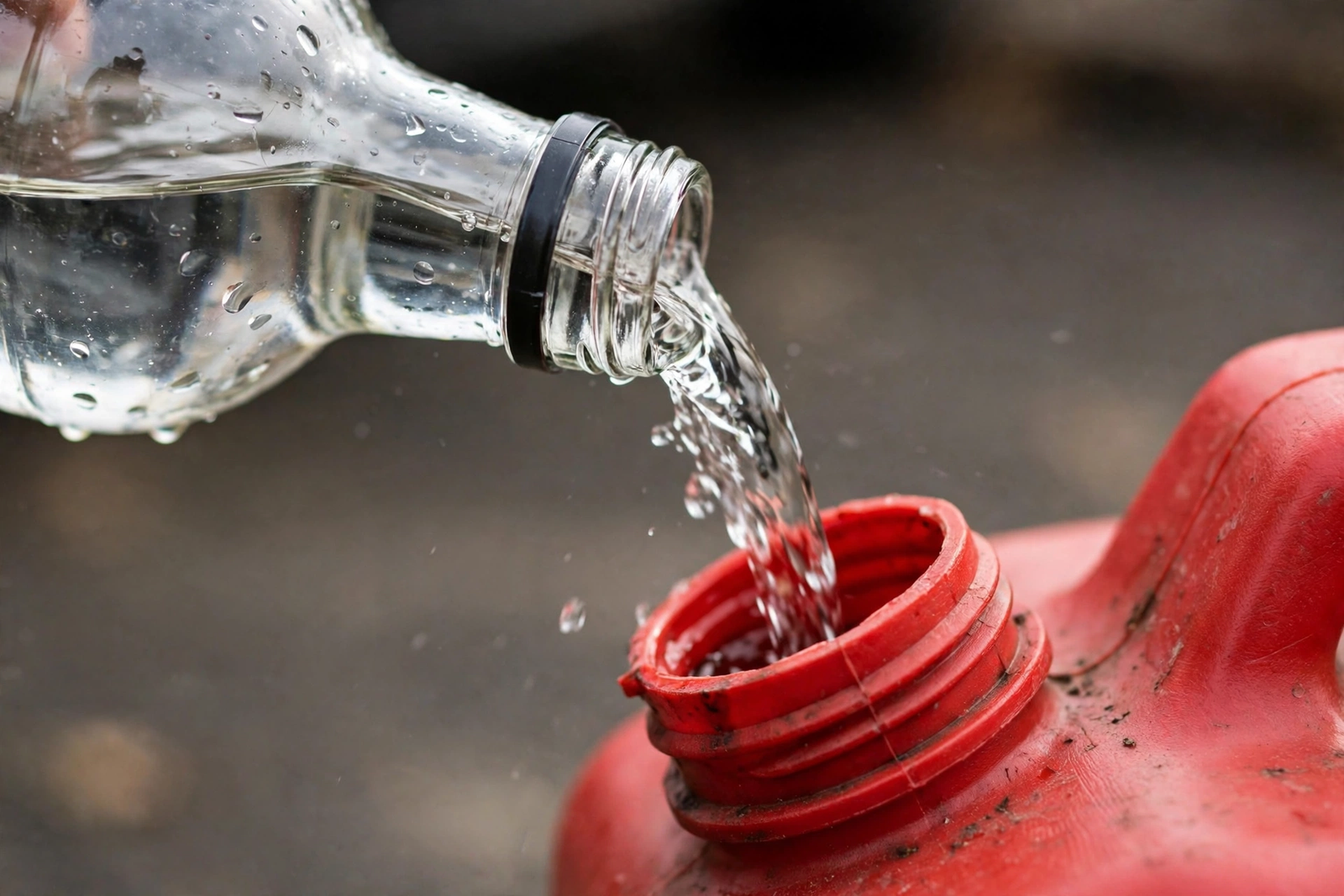
Shelf Life by Storage Method
| Storage method | Typical shelf life (untreated) |
|---|---|
| Sealed gas can, cool and dark | 3 to 6 months |
| Vehicle fuel tank, parked | As little as 1 month before degradation begins |
| Treated with fuel stabilizer | Up to 12 to 24 months |
Ethanol-blended gasoline like the common E10 goes stale faster, roughly 1 to 3 months untreated, because ethanol attracts moisture from the air. That water can separate out and corrode metal parts. Ethanol-free gasoline, which you can find through our ethanol-free gas guide, holds up somewhat better in storage.
Signs Your Gas Has Gone Bad
You can usually tell by looking and smelling. Fresh gasoline is clear or slightly yellow with a sharp familiar odor. Stale gas turns darker and murky and develops a sour or varnish-like smell. In an engine, old fuel shows up as hard starting, rough idling, stalling, or a sudden loss of power. Rotate your stock, use older fuel first, and check our E85 guide if you store higher-ethanol blends.
How to Store Gasoline Properly
Use an approved sealed fuel container, never a milk jug or an unrated plastic bottle. Keep it in a cool, dry, dark place away from heat sources, pilot lights, and living spaces. A garage or shed works; your basement or closet does not. Add fuel stabilizer when the fuel is fresh, ideally right at the pump, and run the engine for a few minutes so the treated fuel circulates through the whole system. Keep tanks about 95 percent full to reduce the air space where condensation forms, and write the storage date on the can so you are not guessing later. Rotate stock when you can: use older fuel first and refill with fresh.
Fuel Stabilizer: How It Works
Stabilizers act as antioxidants, slowing the chemical breakdown that creates gum and varnish, and many absorb small amounts of water before it can separate out. One ounce of a product like STA-BIL treats up to 2.5 gallons. If you already have old fuel in a can, stabilizer will not reverse the damage; it only prevents it, so it must go into fresh fuel. For anything stored longer than a few months, a stabilizer is cheap insurance compared to a carburetor or injector cleaning. Whatever blend you store, keep it legal and safe; see our Top Tier gas guide for quality basics.
Storage Safety Rules
Gasoline is extremely flammable, so storage rules matter as much as shelf life. Never store more than local fire codes allow; many jurisdictions limit home storage to a few gallons in approved containers. Never store fuel cans in a vehicle trunk, living area, or near furnaces, water heaters, or pilot lights. Keep containers tightly sealed, since vapors are both the fire risk and the reason fuel loses its punch. Keep cans away from children and pets, and store them where a leak would not drain toward a drain or waterway. And never pour old gasoline down a drain or onto the ground; take it to a household hazardous waste facility.
Does gas go bad in my car if I don’t drive it?
Yes. Fuel in a parked car’s tank can begin degrading in as little as a month because the tank vents to the atmosphere and cycles through temperature changes. If a car will sit for months, add stabilizer and drive it briefly, or have someone start it periodically.
Can I use gas that is a year old?
Only if it was treated with stabilizer when fresh and stored well. Untreated year-old gas is very likely stale and could clog your fuel system. When in doubt, dispose of it properly rather than risking a repair bill.
Does ethanol-free gas last longer in storage?
Generally yes. Without ethanol there is no moisture attraction and phase separation problem, so ethanol-free fuel resists the fastest degradation path. It still oxidizes, so stabilizer is still worthwhile for long storage.
Can I mix old gas with new gas to make it usable?
Topping off mildly old fuel with a large amount of fresh fuel can dilute it enough to run fine in some cases, but this only works for slightly stale fuel, not year-old untreated gas. If the fuel is dark or smells sour, do not mix it; dispose of it and start fresh.
Facts verified October 2026. Always follow your vehicle’s owner’s manual for fuel requirements.