
For the roughly 70 percent of cars designed for regular fuel, premium gas is not worth it. A 2016 AAA study found it gives no extra power, mileage, or cleanliness in those vehicles.
AAA tested 87-octane and 93-octane gasoline on dynamometers in vehicles designed for regular fuel and found no significant increases in horsepower, fuel economy, or emissions reduction. The study also surveyed U.S. drivers and estimated 16.5 million of them were buying premium for cars that did not require it, wasting about $2.1 billion in a single year. If your owner’s manual calls for regular, premium is simply more expensive fuel with the same results.
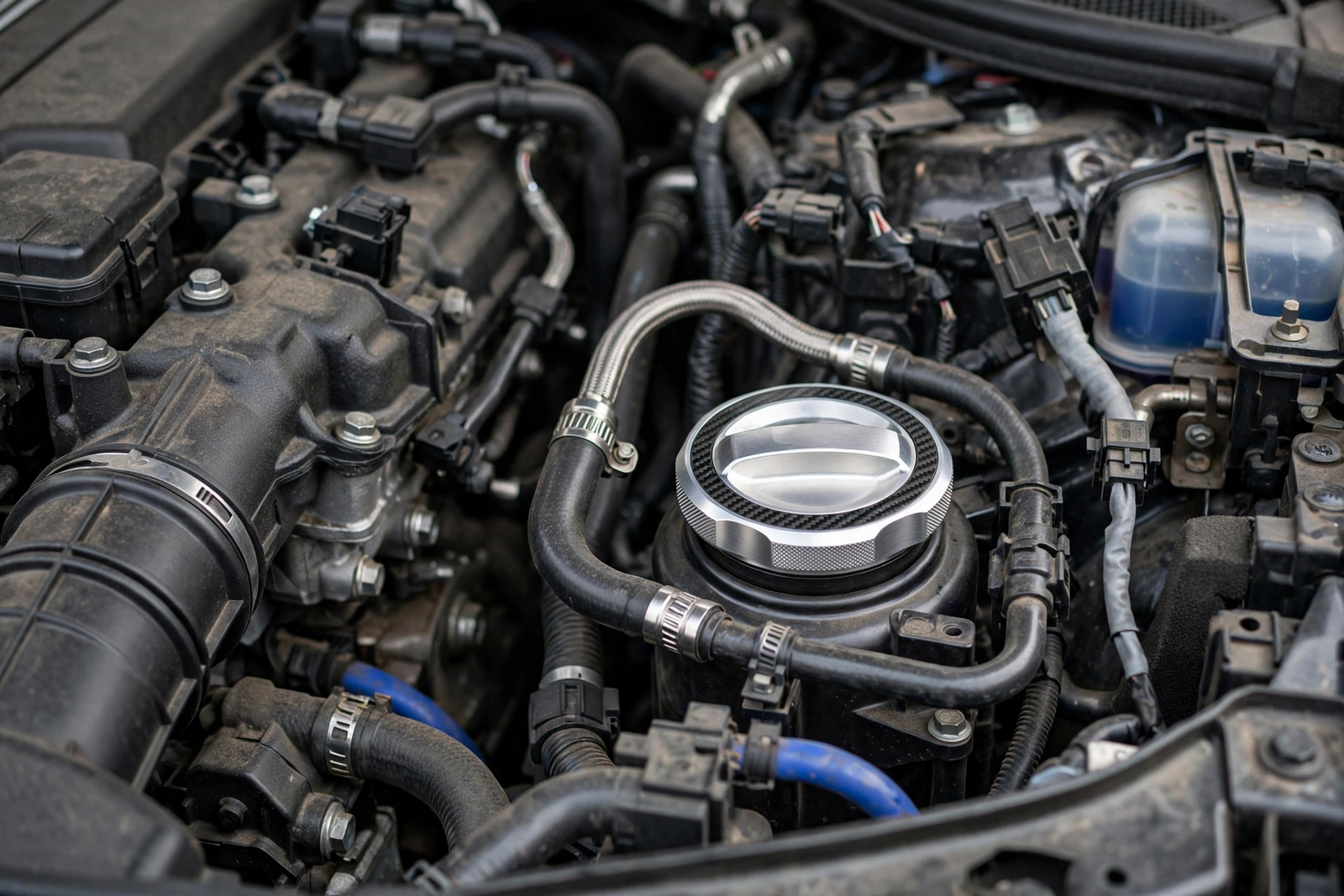
Why Premium Costs More
Premium gasoline can cost around 50 cents per gallon more than regular, depending on the market. That price gap reflects the extra refining needed to raise octane, not any extra energy or cleaning power. Premium is not higher quality fuel. As AAA put it, premium is “higher octane, not higher quality.” The word premium on the pump button is marketing, not a technical claim.
The One Exception: When Your Car Actually Needs It
About 16 percent of U.S. vehicles require premium fuel, mostly performance cars, luxury models, and vehicles with turbocharged or supercharged engines. These engines run high compression ratios, and lower-octane fuel can knock under that pressure. AAA’s engineers warned that drivers with such cars can do engine damage by not running the required grade. If your manual says premium required, premium is worth every penny because the engine was designed around it.
There is a middle case worth noting: some manuals say premium is “recommended” but not required. In those engines, using premium may unlock the full rated horsepower, while regular will still run safely thanks to the knock sensor, just with slightly reduced output. Check the exact wording in your manual before deciding.
Premium Does Not Clean Your Engine Better
This is one of the most persistent myths at the pump. Octane rating measures knock resistance only. Engine cleanliness comes from detergent additives, and those are set by the brand’s fuel quality standard, not the octane grade. A separate AAA study found that Top Tier gasoline, at any octane level, produced 19 times fewer engine deposits after 4,000 miles than non-Top Tier fuel, at an average price difference of only about 3 cents per gallon. If engine health is what you care about, switching to a Top Tier retailer is far smarter than switching to premium. See our Top Tier gas guide to learn why the brand matters more than the grade.
What About “Treat Your Car” Tanks and Old Engines?
Some drivers buy a tank of premium now and then as a supposed treat, or because an older engine has started to ping on regular. A one-time tank of higher octane can quiet knocking in a high-mileage engine where carbon buildup has effectively raised the compression ratio, but that is treating a symptom, not giving the car a benefit. The underlying carbon issue remains, and a mechanic’s cleaning addresses it more honestly. As for the “treat” idea, the AAA data is unambiguous: there is no performance, mileage, or emissions reward for it. If you want to do something genuinely good for your engine with that extra money, buy Top Tier regular instead. Our Top Tier gas guide explains the standard that actually matters.
The Math on What You Save
A driver filling a 17-gallon tank once a week at a 50-cent premium gap spends roughly $440 more per year on premium than on regular, for zero measurable benefit in a regular-required car. Put that money toward maintenance that actually protects your engine, or use our cheap gas guide to find lower prices on the regular fuel your car was built for. And if your car does require premium, save money the honest way by comparing station prices on our gas station finder.
Does premium gas give better gas mileage?
Not in cars designed for regular fuel. AAA’s laboratory testing found no significant fuel economy improvement from using 93 octane in engines built for 87. If you see a mileage bump after switching, it is almost certainly due to driving conditions or a different ethanol blend, not the octane itself.
Will premium gas hurt my car?
No, it will not damage a regular-fuel engine. It just wastes money. The extra octane is simply unused by the engine. There is no cleaning benefit, no performance benefit, and no longevity benefit.
My car “recommends” premium but doesn’t require it. What should I use?
You can use either. Regular is safe because the knock sensor will adapt, though you may see slightly less than the advertised peak horsepower. Premium gives you the full factory-rated output. Try both for a few tanks and judge whether the performance difference is worth the price gap to you.
Is premium gas better quality than regular?
Higher octane is not higher quality. Fuel quality comes from the detergent package, which is what the Top Tier standard controls. Premium from a no-name station is not cleaner than regular from a Top Tier brand. The octane number tells you nothing about cleanliness.
Facts verified October 2026. Always follow your vehicle’s owner’s manual for fuel requirements.